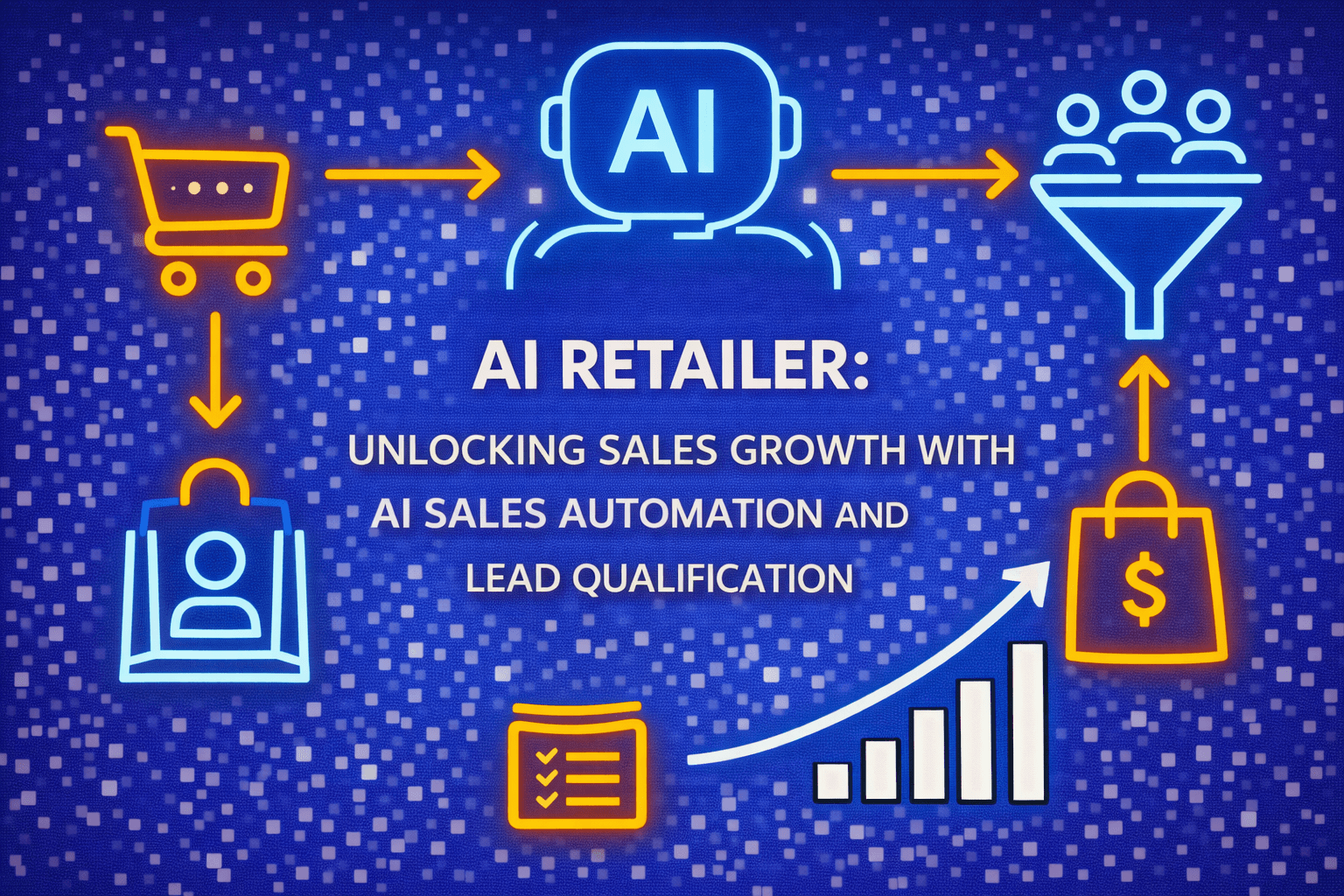
AI Retailer: Unlocking Sales Growth with AI Sales Automation and Lead Qualification
Unlock retail sales growth with AI. Learn how AI sales automation, voice AI, and lead qualification help retailers boost conversions and reduce operational costs.
Jan 9, 2026
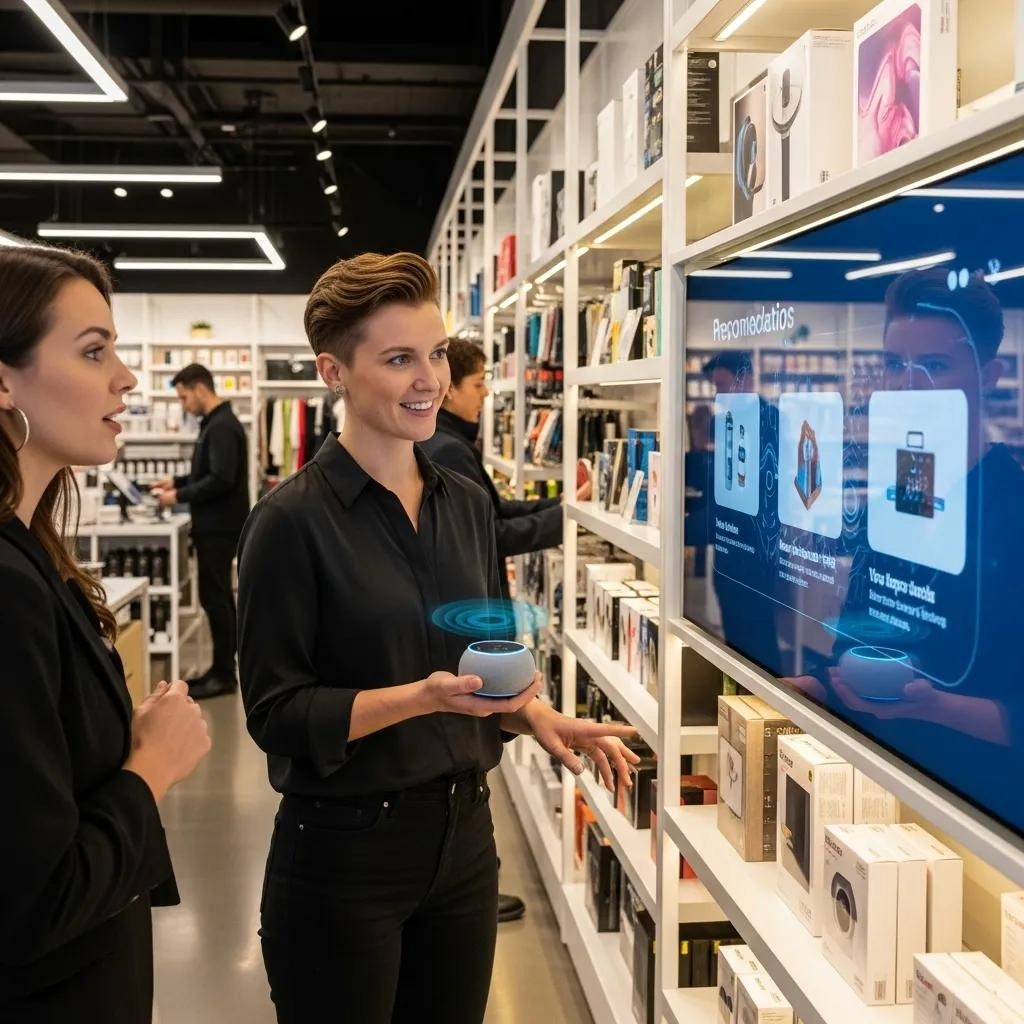
In the rapidly evolving landscape of retail, businesses are increasingly turning to artificial intelligence (AI) to enhance their sales processes. AI sales automation, particularly through voice-driven technologies, is transforming how retailers engage with customers and manage leads. This article will explore the mechanisms behind AI sales automation, its impact on lead qualification, and how it can drive sales growth for retailers. Many businesses struggle with inefficient sales processes and missed opportunities, but AI offers a solution that streamlines operations and improves conversion rates. We will delve into the features of NAYA AI's voice AI sales assistant, the industries that benefit most from AI lead qualification software, and the measurable advantages of integrating these technologies into existing systems.
What is AI Sales Automation and How Does It Transform Retail Sales?
AI sales automation refers to the use of artificial intelligence technologies to streamline and enhance sales processes. By automating routine tasks, retailers can focus on building relationships with customers and closing deals. This transformation is achieved through advanced algorithms that analyze customer data, predict buying behavior, and optimize sales strategies. The result is a more efficient sales process that not only saves time but also increases conversion rates.
Defining AI Sales Automation and Voice AI for Retailers
AI sales automation encompasses various technologies, including machine learning and natural language processing, that enable retailers to automate tasks such as lead scoring, follow-ups, and customer interactions. Voice AI, a subset of this technology, allows sales teams to engage with customers through voice-driven interfaces, making interactions more natural and efficient. This technology enhances customer engagement by providing instant responses and personalized experiences, ultimately leading to higher satisfaction and loyalty.
Further research highlights how AI-powered voice assistants, leveraging advanced NLP and reinforcement learning, significantly enhance sales performance and customer interactions.
AI Voice Assistants for Enhanced Sales Performance
This research paper explores the transformative potential of AI-powered voice assistants in enhancing sales performance, focusing on the integration of Natural Language Processing (NLP) and Reinforcement Learning (RL) algorithms. The study investigates how these advanced technologies can be harnessed to improve sales strategies, optimize customer interactions, and drive efficiency within sales teams. Through a comprehensive review of existing literature and an analysis of case studies where AI-assisted voice technologies have been implemented, the paper identifies key benefits, including real-time data analysis, personalized customer service, and improved sales forecasting. The research further delves into the deployment of NLP to enable voice assistants to understand, interpret, and respond to complex customer queries, thereby facilitating smoother interactions and fostering customer satisfaction.
Enhancing Sales Performance with AI-Powered Voice Assistants: Leveraging Natural Language Processing and Reinforcement Learning Algorithms, P Gupta, 2020
How AI Sales Automation Improves Lead Qualification and Conversion Rates
The implementation of AI sales automation significantly improves lead qualification by analyzing vast amounts of data to identify high-potential leads. This data-driven approach allows retailers to prioritize their efforts on leads that are more likely to convert, thereby increasing overall conversion rates. For instance, studies have shown that businesses utilizing AI for lead qualification can experience increases in conversion rates ranging from 20% to 30%, demonstrating the effectiveness of these technologies in driving sales growth.
Academic studies further confirm the effectiveness of AI in refining lead qualification processes, leading to substantial improvements in conversion rates.
AI for Lead Scoring & Sales Efficiency
This research paper explores the application of artificial intelligence, specifically Random Forest and Logistic Regression algorithms, to enhance sales efficiency through improved lead scoring and qualification. In an era where data-driven decision-making is crucial, traditional sales processes often lack the precision necessary to maximize conversion rates, leading to inefficiencies and resource wastage. By integrating machine learning techniques, businesses can better prioritize leads, optimize sales strategies, and ultimately increase revenue.
Enhancing Sales Efficiency with AI: Implementing Random Forest and Logistic Regression Algorithms for Lead Scoring and Qualification, A Sharma, 2022
How Does NAYA AI's Voice AI Sales Assistant Enhance Retail Efficiency?
NAYA AI's voice AI sales assistant is designed to automate various sales tasks, allowing retailers to focus on strategic initiatives. This technology not only improves efficiency but also enhances the customer experience by providing timely and relevant information.
Key Features of NAYA AI's Voice-Driven Sales Assistant
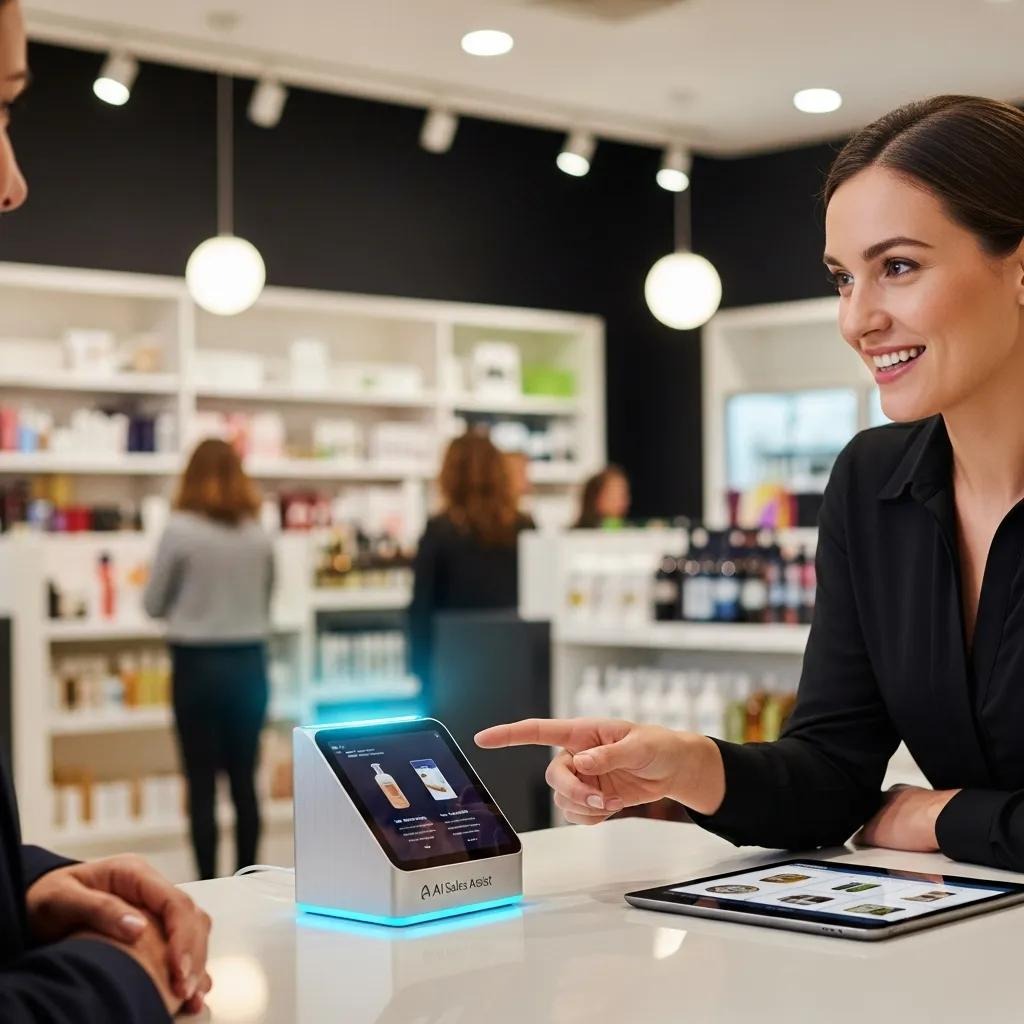
Automated Lead Qualification: The assistant can analyze customer interactions and qualify leads based on predefined criteria, ensuring that sales teams focus on the most promising opportunities.
Appointment Booking Capabilities: It automates the scheduling of appointments, reducing the time spent on administrative tasks and allowing sales representatives to engage more with customers.
Follow-Up Reminders: The assistant sends reminders for follow-ups, ensuring that no lead is neglected and that customer relationships are nurtured effectively.
Benefits of Automated Appointment Booking and Follow-ups
Automated appointment booking and follow-ups provide significant advantages for retailers. By streamlining these processes, businesses can save valuable time and resources. For example, retailers can reduce the time spent on scheduling by up to 50%, allowing sales teams to dedicate more time to closing deals. Additionally, consistent follow-ups lead to improved customer engagement, which is crucial for maintaining relationships and driving repeat business.
Which Retail Industries Benefit Most from AI Lead Qualification Software?
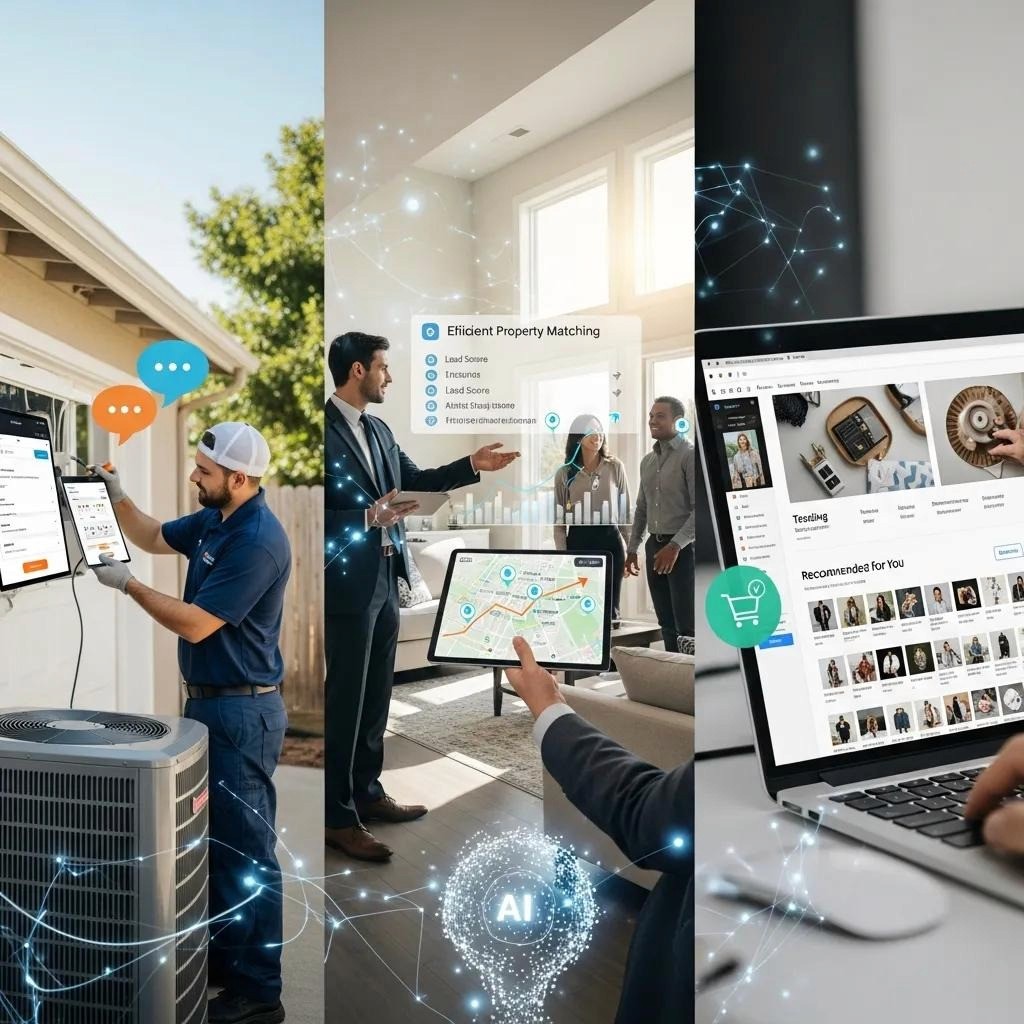
AI lead qualification software is particularly beneficial for various retail industries, including home services, real estate, and e-commerce. Each of these sectors can leverage AI technologies to enhance their sales processes and improve customer interactions.
AI Solutions for Home Services, Real Estate, and E-commerce Retailers
Home Services: Companies in this sector can use AI to qualify leads based on service needs and urgency, ensuring that technicians are dispatched to high-priority jobs.
Real Estate: AI can analyze buyer preferences and market trends, helping agents identify potential buyers and tailor their pitches accordingly.
E-commerce: Retailers can utilize AI to track customer behavior and preferences, allowing for personalized marketing strategies that increase conversion rates.
Case Studies: Success Stories in Retail AI Sales Automation
Numerous retailers have successfully implemented AI sales automation, resulting in significant improvements in their sales processes. For instance, a leading e-commerce platform reported a 25% increase in sales after integrating AI-driven lead qualification software, demonstrating the tangible benefits of these technologies. Similarly, a real estate agency that adopted AI solutions saw a 35-40% increase in lead conversion rates, showcasing the effectiveness of AI in enhancing sales efficiency.
How Can Retailers Integrate AI Sales Automation with Existing CRM Systems?
Integrating AI sales automation with existing Customer Relationship Management (CRM) systems is crucial for maximizing the benefits of these technologies. A seamless integration allows retailers to leverage their current data while enhancing their sales processes.
Seamless CRM Integration for Enhanced Lead Management
Seamless integration of AI sales automation with CRM systems enables retailers to manage leads more effectively. By synchronizing data between the two systems, sales teams can access real-time information about customer interactions and preferences. This integration not only improves lead management but also enhances the overall customer experience by providing personalized interactions based on historical data.
Custom Sales Integrations and Real-Time Lead Routing
Custom sales integrations allow retailers to tailor their AI solutions to meet specific business needs. For example, real-time lead routing ensures that leads are directed to the appropriate sales representatives based on their expertise and availability. This targeted approach increases the likelihood of conversion and enhances customer satisfaction by providing timely responses to inquiries.
What Are the Measurable Benefits of Using AI Retail Sales Solutions?
The adoption of AI retail sales solutions offers measurable benefits that can significantly impact a retailer's bottom line. These advantages include increased sales productivity, reduced operational costs, and improved customer satisfaction.
Increased Sales Productivity and Reduced Operational Costs
AI technologies streamline sales processes, allowing teams to focus on high-value activities. Retailers that implement AI solutions often report a 20-30% increase in sales productivity, as routine tasks are automated. Additionally, operational costs are reduced due to the efficiency gained from these technologies, enabling businesses to allocate resources more effectively.
This aligns with broader research indicating that AI integration across retail value chains yields significant benefits, from enhanced customer experience to substantial revenue growth and cost reductions.
AI in Retail: Benefits, Virtual Agents & Revenue Growth
The research revealed a variety of advanced solutions, benefits, but also risks that AI generates in retail, in different segments of the value chain, abbreviated CECoR, from improving the customer experience (Customer Experience, CE) with the help of virtual agents (chatbots, virtual assistants, etc.), to cost reductions (Cost, Co) by using smart shelves, and to increasing revenues (Revenue, R) due to product recommendations and personalized offers or discounts.
The integration of artificial intelligence in retail: benefits, challenges and a dedicated conceptual framework, I Anica-Popa, 2021
ROI Statistics and Client Testimonials for AI Sales Automation
The return on investment (ROI) for AI sales automation is compelling. Retailers that have integrated AI solutions report an average ROI of around 200-300% within the first year of implementation. Client testimonials highlight the transformative impact of these technologies, with many businesses noting significant improvements in lead conversion rates and overall sales performance.
What Are the Future Trends and Innovations in AI for Retail Sales?
As AI technology continues to evolve, several trends and innovations are shaping the future of retail sales. These advancements promise to further enhance the capabilities of AI sales automation and lead qualification.
Emerging AI Technologies: Hyper-Personalization and Conversational Commerce
Hyper-personalization is becoming a key focus for retailers, as AI enables businesses to tailor their offerings to individual customer preferences. This trend is complemented by conversational commerce, where AI-driven chatbots and voice assistants facilitate seamless interactions between customers and retailers. These technologies enhance the shopping experience by providing personalized recommendations and support.
Predictions for AI Adoption and Impact on Retail Sales Efficiency
Experts predict that AI adoption in retail will continue to grow, with an estimated 70-80% of retailers expected to implement AI solutions by 2028. This widespread adoption will lead to increased sales efficiency, as businesses leverage AI to optimize their operations and enhance customer engagement. The future of retail sales will be defined by the integration of AI technologies that drive innovation and improve overall performance.
Feature | Benefit | Impact Level |
Automated Lead Qualification | Saves time and increases focus on high-potential leads | High |
Appointment Booking Automation | Reduces administrative burden and enhances customer engagement | Medium |
Real-Time Lead Routing | Ensures timely responses and improves conversion rates | High |
The integration of these features into retail sales processes demonstrates the significant impact of AI technologies on operational efficiency and customer satisfaction.