Best AI Admissions Assistant Tools 2026: Optimize Lead Conversion and Admissions Automation
Explore the best AI admissions assistant tools for 2026. Learn how AI chatbots, predictive analytics, and CRM integrations boost enrollment, engagement, and conversion rates.

Kennedy Asuru
Feb 7, 2026
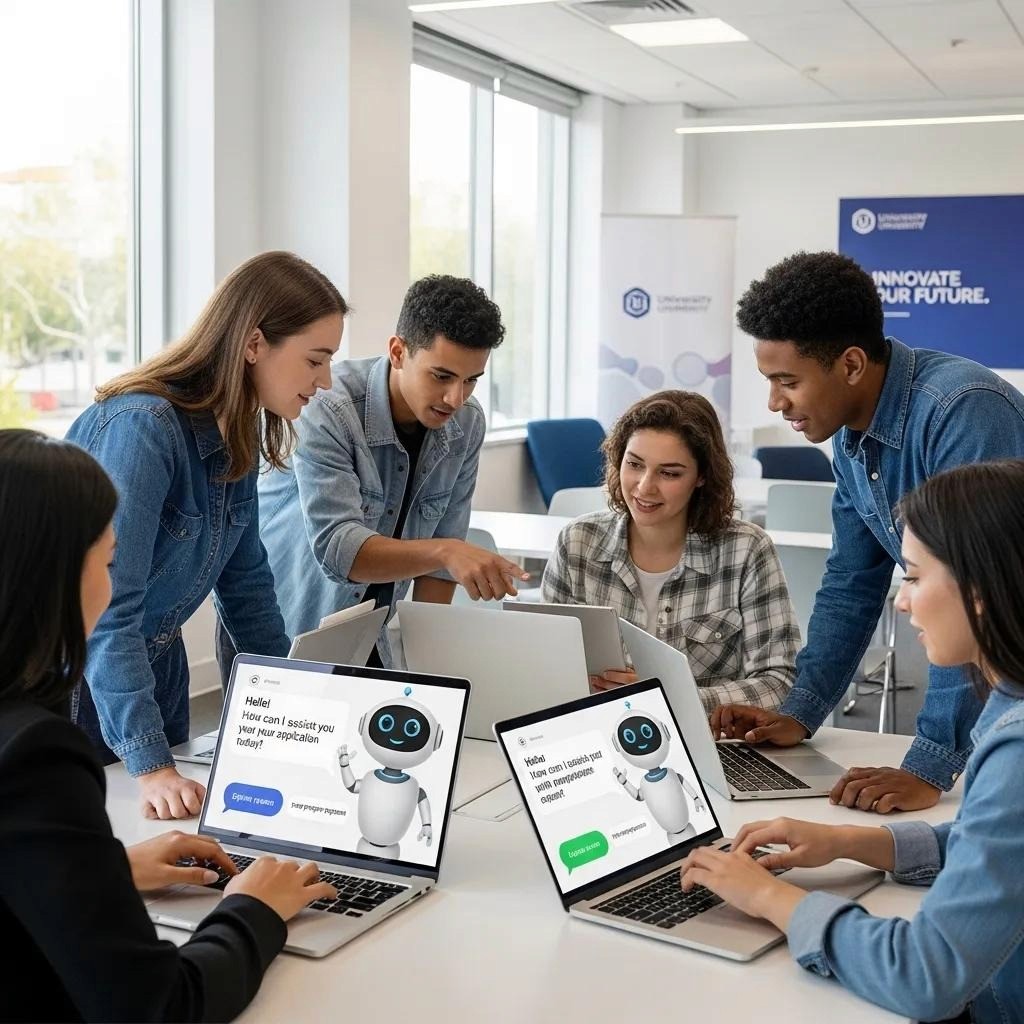
As educational institutions increasingly turn to technology to streamline their admissions processes, AI admissions assistant tools have emerged as essential resources. These tools not only enhance lead conversion but also automate various aspects of the admissions workflow, making them invaluable for institutions aiming to improve efficiency and engagement. In this article, we will explore the best AI admissions assistant tools available in 2026, their benefits, and how they can be integrated into existing systems. By understanding these tools, institutions can better navigate the complexities of student recruitment and enrollment.
AI admissions assistant tools are designed to optimize the enrollment process by automating lead engagement, qualification, and follow-up. This article will delve into the mechanisms behind these tools, the leading options available in the market, and the key benefits they offer. We will also discuss how these tools can seamlessly integrate with existing CRM systems and provide real-world case studies demonstrating their impact. Finally, we will guide institutions on how to get started with these innovative solutions.
What Are AI Admissions Assistant Tools and How Do They Enhance Enrollment?
AI admissions assistant tools refer to software solutions that leverage artificial intelligence to facilitate the admissions process. These tools enhance enrollment by automating repetitive tasks, improving lead qualification, and engaging prospective students more effectively. By utilizing AI, institutions can streamline their admissions processes, allowing staff to focus on more strategic initiatives.
Research supports that such AI software architectures can significantly reduce manual effort and accelerate the entire admissions workflow.
Automating University Admissions with AI Software
This paper proposes a software architecture model with several productivity features that uses the latest technologies to reduce inconveniences faced by applicants and their parents during the admission process. The application of this alternate model, adopting artificial intelligence-based technologies and its proper implementation can also minimize workforce and accelerate the admission process.
Software architecture system to automate the admission process in the higher education institutions, BHS Thimmappa, 2019
Defining AI Admissions Automation Software and Chatbot Platforms
AI admissions automation software encompasses various applications, including chatbots and lead management systems. Chatbots, for instance, can interact with prospective students in real-time, answering queries and guiding them through the application process. These platforms not only provide immediate assistance but also gather valuable data on student preferences and behaviors, which can be used to tailor future communications.
The effectiveness of these chatbot platforms is further highlighted by studies demonstrating their ability to provide educational recommendations and accessible support to prospective students.
AI Chatbots for Higher Education Admissions & Recommendations
AI chatbots platform for educational recommendations in higher education is a tool intended to promote learning through the "Line" application, an application which is compatible with a variety of responsive web designs. This platform can be used to assess the decision to study in higher education based mainly on the user's aptitudes. Consequently, this study explores the perspectives with regard to the development of the AI chatbot platform and the assessment of the decision to study in higher education. The study is mainly related to the use of AI technologies and digital innovations with the aim of creating a decision support tool that can operate on a small mobile device and can be accessed anywhere and anytime, for admission to the Railway Technical School, Bangkok, Thailand.
Artificial intelligence chatbot platform: AI chatbot platform for educational recommendations in higher education, P Chatwattana, 2024
How AI Improves Lead Qualification and Student Engagement

AI significantly enhances lead qualification by analyzing data to identify the most promising candidates. Through predictive analytics, these tools can assess student interactions and engagement levels, allowing admissions teams to prioritize follow-ups with high-potential leads. This targeted approach not only improves conversion rates but also fosters a more personalized experience for prospective students.
Studies confirm that AI-powered tools, including chatbots and predictive analytics, significantly enhance student recruitment by improving engagement, accessibility, and transparency.
AI in Higher Ed Recruitment: Chatbots, Predictive Analytics & Engagement
In this study, we examine the role of AI-driven marketing in international student recruitment, focusing on how perceived usefulness, trust, and personalization influence decision-making. We studied how AI-powered recruitment tools—such as chatbots, predictive analytics, and personalized content—impact student engagement and enrollment intentions. The findings indicate that AI-driven marketing enhances student recruitment by improving accessibility, engagement, and transparency.
Transforming international student recruitment: The role of AI, personalization, and trust in Jordanian higher education, H Al-Dmour, 2026
Which Top AI Admissions Assistant Tools Lead the Market in 2026?
As the demand for AI-driven solutions grows, several tools have emerged as leaders in the admissions space. These platforms offer unique features that cater to the diverse needs of educational institutions.
Comparing Features of Leading AI Admissions Platforms
To help institutions choose the right tool, we can compare the features of some of the top AI admissions assistant platforms available in 2026:
Tool Name | Key Features | Target Audience |
Tool A | Chatbot integration, predictive analytics | Large universities |
Tool B | Automated follow-ups, CRM integration | Community colleges |
Tool C | Customizable workflows, data analytics | Private institutions |
This comparison highlights the diverse functionalities available, allowing institutions to select a tool that aligns with their specific needs.
How NAYA AI Stands Out Among Competitors
NAYA AI distinguishes itself in the market with its comprehensive AI-powered admissions assistant platform. This tool automates lead engagement, qualification, and follow-up processes, ensuring that institutions can maximize their operational efficiency. NAYA AI's unique selling proposition lies in its ability to integrate seamlessly with existing CRM systems, providing a holistic approach to admissions management.
What Are the Key Benefits of AI-Driven Admissions Process Automation?
The adoption of AI-driven admissions process automation offers numerous advantages for educational institutions. These benefits not only enhance operational efficiency but also improve the overall experience for prospective students.
Reducing Manual Workload with Intelligent Lead Management
One of the primary benefits of AI admissions tools is their ability to reduce manual workload. By automating repetitive tasks such as data entry and follow-up communications, admissions teams can focus on more strategic initiatives. This shift not only increases productivity but also allows staff to engage more meaningfully with prospective students.
NAYA AI's platform exemplifies this benefit by automating lead management processes, enabling institutions to handle larger volumes of inquiries without compromising on quality.
Increasing Conversion Rates Through Predictive Analytics
Predictive analytics is another significant advantage of AI admissions tools. By analyzing historical data and current trends, these tools can forecast which leads are most likely to convert. This insight allows admissions teams to prioritize their efforts effectively, ultimately leading to higher conversion rates.
Institutions utilizing AI-driven predictive analytics have reported substantial improvements in their enrollment figures, demonstrating the tangible impact of these technologies.
How Can AI Admissions Assistants Integrate Seamlessly with Existing CRM Systems?
Integrating AI admissions assistants with existing CRM systems is crucial for maximizing their effectiveness. A seamless integration ensures that data flows smoothly between platforms, enhancing the overall admissions process.
Best Practices for AI and CRM Integration in Admissions

To achieve successful integration, institutions should follow these best practices:
Assess Compatibility: Ensure that the AI tool is compatible with the existing CRM system.
Data Mapping: Clearly define how data will be shared between systems to avoid discrepancies.
Training: Provide training for staff to familiarize them with the integrated system.
By adhering to these practices, institutions can enhance their admissions processes and improve data accuracy.
Enhancing Sales Automation with AI Lead Management Platforms
AI lead management platforms can significantly enhance sales automation in admissions. By automating follow-up communications and lead nurturing, these tools ensure that prospective students receive timely information and support throughout their application journey. This proactive approach not only improves engagement but also increases the likelihood of conversion.
What Case Studies Demonstrate the Impact of AI Admissions Assistants in 2026?
Real-world case studies provide valuable insights into the effectiveness of AI admissions assistants. These examples illustrate how institutions have successfully implemented these tools to enhance their admissions processes.
Success Metrics from AI-Powered Admissions Automation
Institutions that have adopted AI-powered admissions automation have reported impressive success metrics. For instance, one university experienced a 30% increase in application completions after implementing an AI chatbot to assist prospective students. This case highlights the potential of AI tools to drive significant improvements in enrollment figures.
Industry Statistics on AI Adoption in Student Recruitment
Recent industry statistics indicate a growing trend towards AI adoption in student recruitment. According to a 2023 survey by the National Association for College Admission Counseling (NACAC), over 50% of educational institutions planned to invest in AI technologies for admissions by 2026. This shift underscores the increasing recognition of AI's potential to transform the admissions landscape.
How to Get Started with AI Admissions Assistant Tools for Your Institution?
For institutions looking to implement AI admissions assistant tools, a structured approach is essential. By following a clear roadmap, institutions can ensure a smooth transition to these innovative solutions.
Steps to Implement AI Sales Assistants for Admissions
Identify Needs: Assess the specific needs of your admissions team and the challenges they face.
Research Tools: Explore various AI admissions tools available in the market and their features.
Pilot Program: Consider running a pilot program to test the selected tool before full implementation.
By taking these steps, institutions can effectively integrate AI admissions assistants into their operations.
Demo Signups and Onboarding with NAYA AI
NAYA AI offers demo signups for institutions interested in exploring its AI-powered admissions assistant platform. The onboarding process is designed to be user-friendly, ensuring that institutions can quickly adapt to the new system. With dedicated support available, institutions can maximize the benefits of NAYA AI's solutions.
By leveraging AI admissions assistant tools, educational institutions can optimize their lead conversion processes and enhance the overall admissions experience. As the landscape of student recruitment continues to evolve, embracing these technologies will be crucial for staying competitive in 2026 and beyond.